
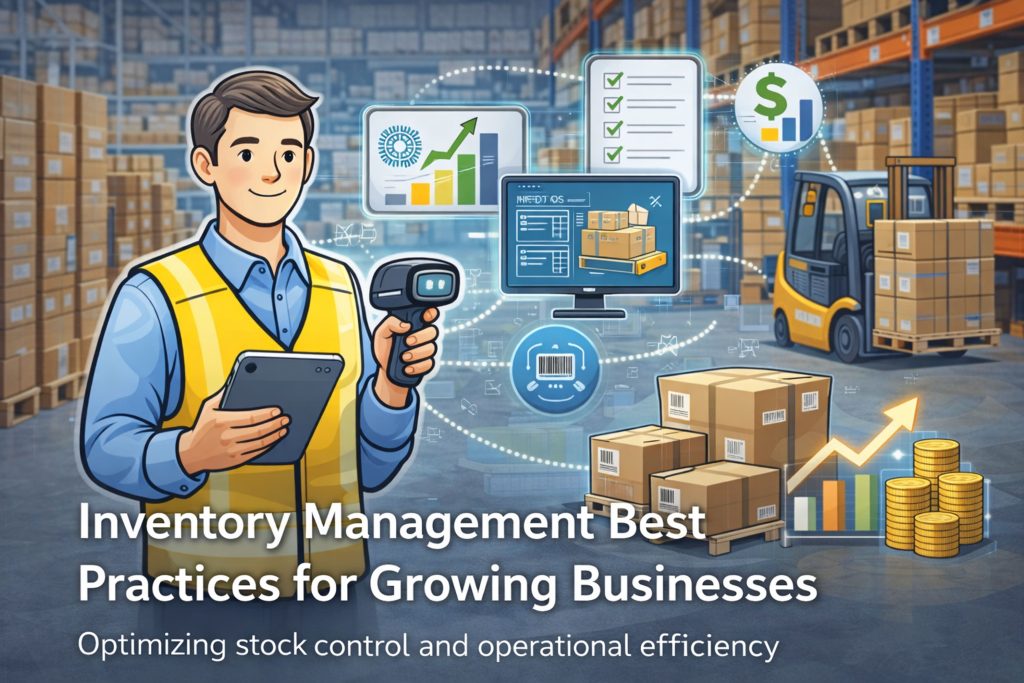
Inventory Management Best Practices for Growing Businesses
Implementing digital inventory systems improves visibility, prevents stock-outs, and ensures smooth order fulfillment, driving long-term business growth.

Implementing digital inventory systems improves visibility, prevents stock-outs, and ensures smooth order fulfillment, driving long-term business growth.
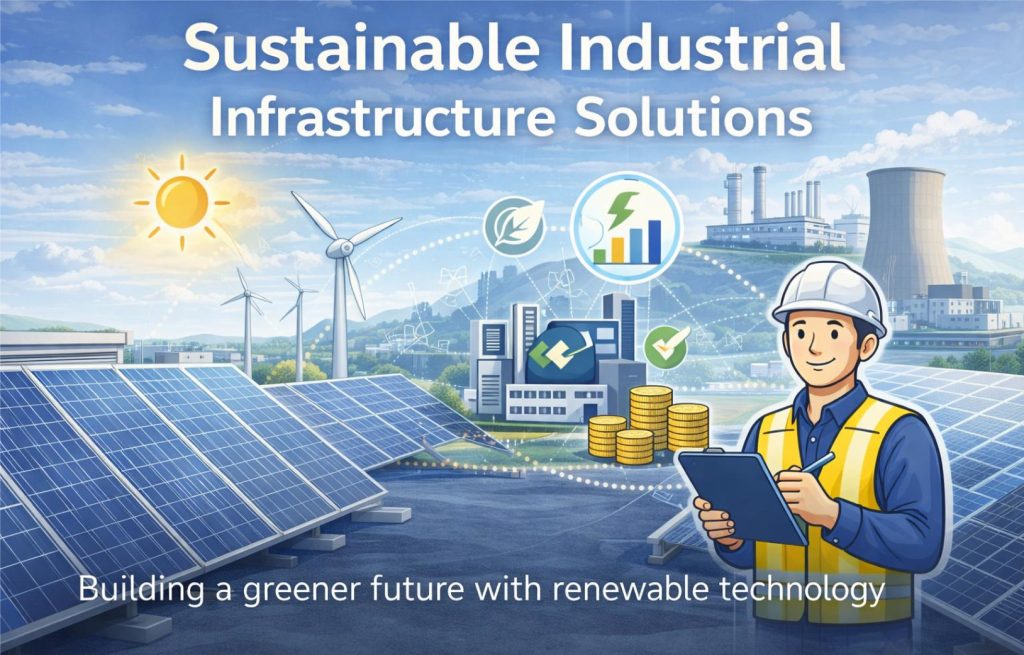
Energy-efficient systems, solar integration, and optimized facility planning help industries reduce carbon footprint while lowering operational expenses.
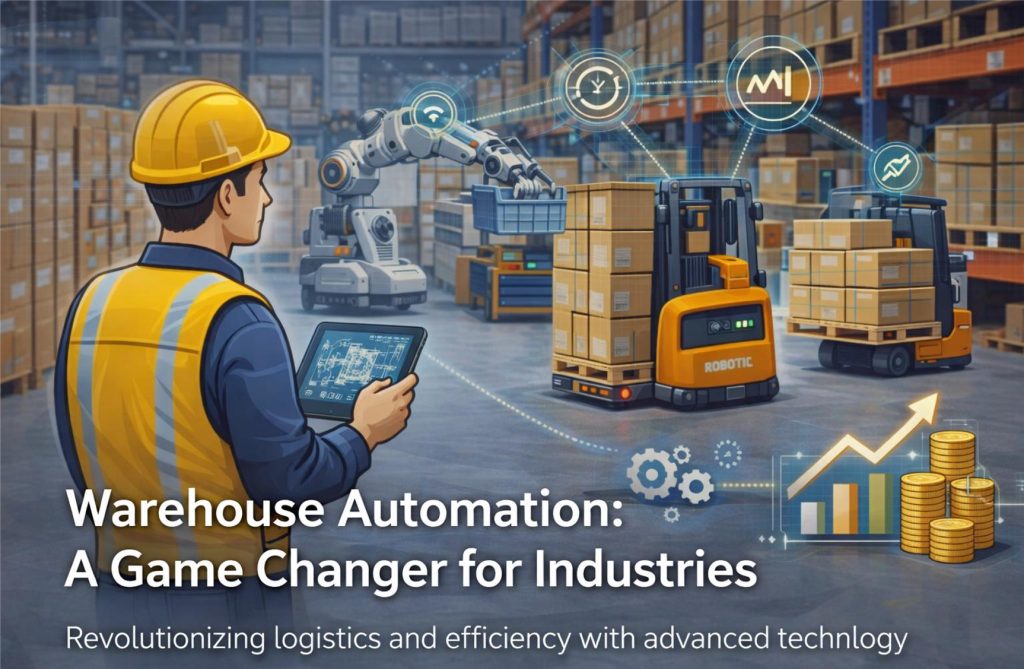
Automation technologies like smart conveyors, barcode systems, and real-time tracking reduce manual errors and increase productivity, making operations faster and more efficient.
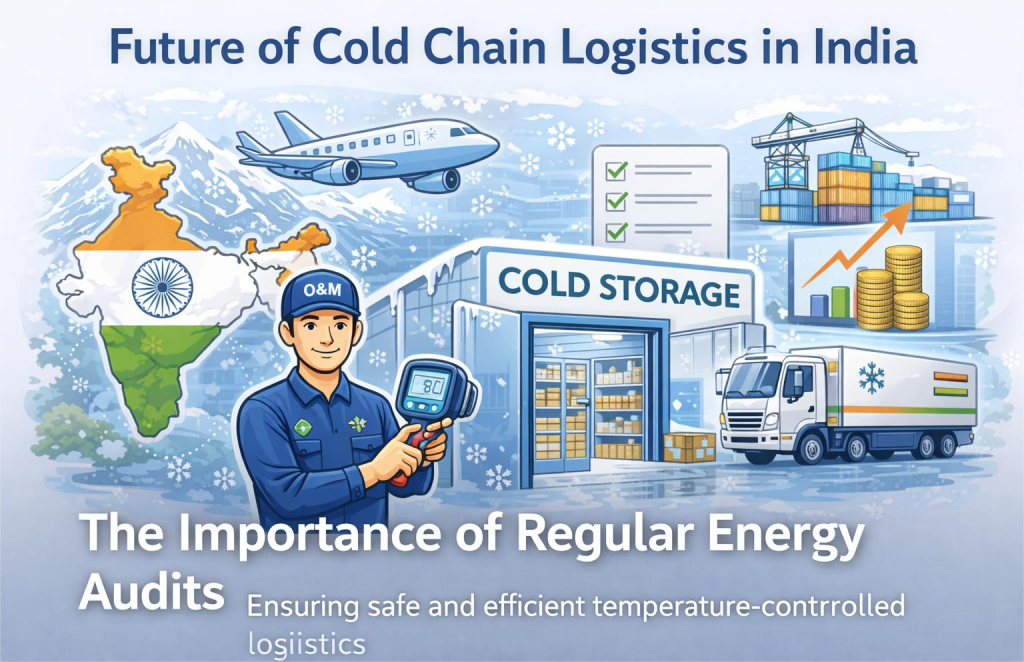
With rising demand for perishable goods, modern cold chain logistics ensures temperature control, reduced wastage, and improved supply chain reliability through advanced monitoring systems.
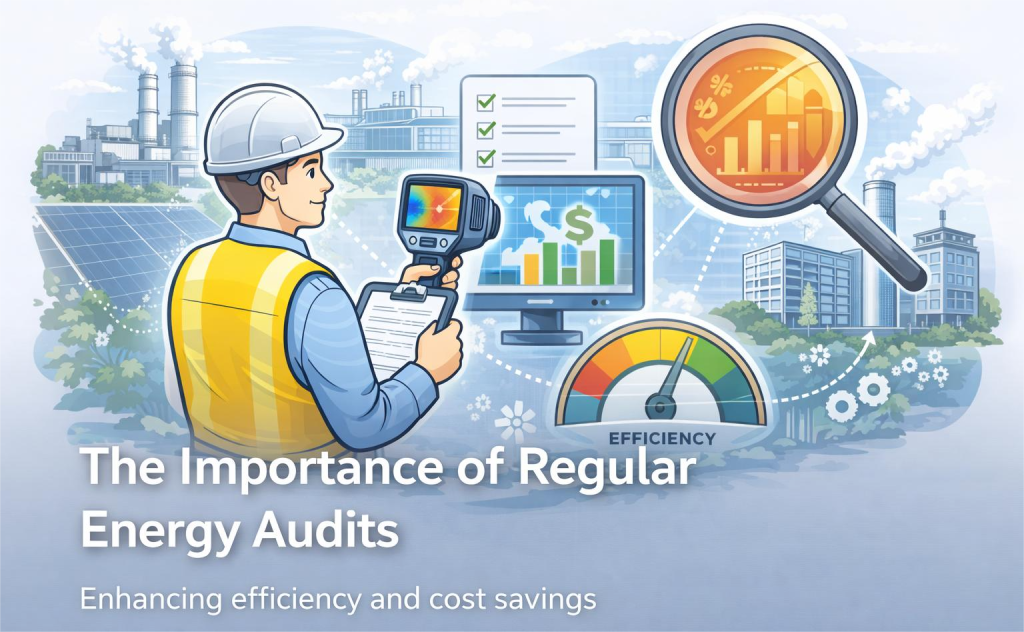
Energy audits reveal hidden inefficiencies in power consumption. By implementing strategic improvements, industries can enhance performance, reduce waste, and lower operational expenses.

Rooftop solar installations help industries cut electricity bills by up to 30–45%. With proper engineering and financial planning, businesses achieve both sustainability and profitability.

Cold storage facilities maintain controlled temperatures to preserve perishable goods. Advanced monitoring and energy-efficient systems ensure product safety and compliance with industry standards.
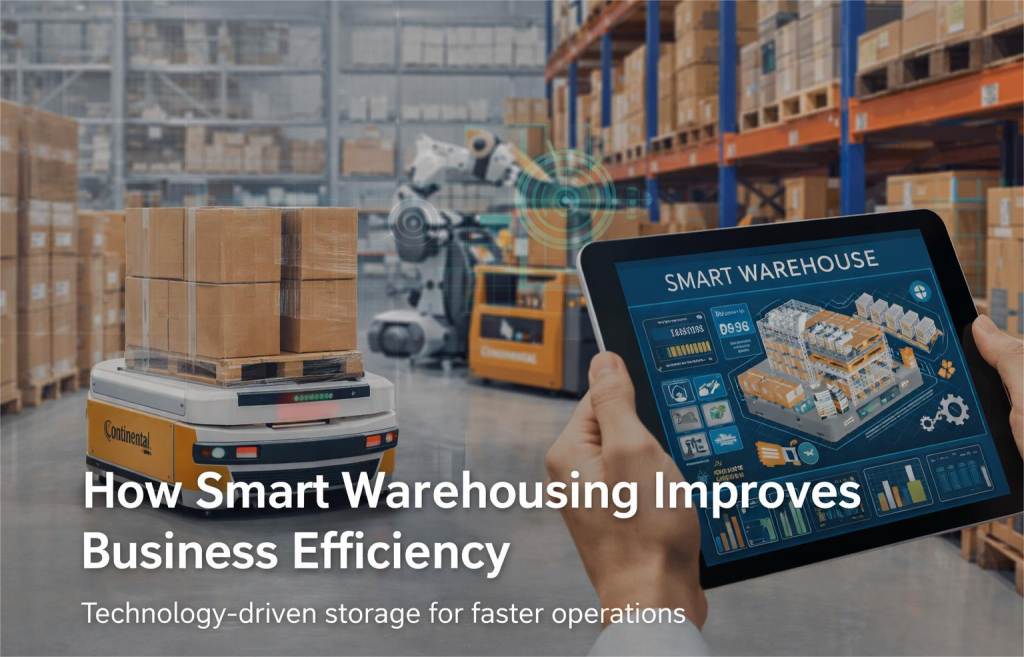
Modern warehousing solutions integrate automation, tracking systems, and optimized layouts to reduce delays and improve order accuracy. Smart systems help businesses scale efficiently while minimizing operational costs.
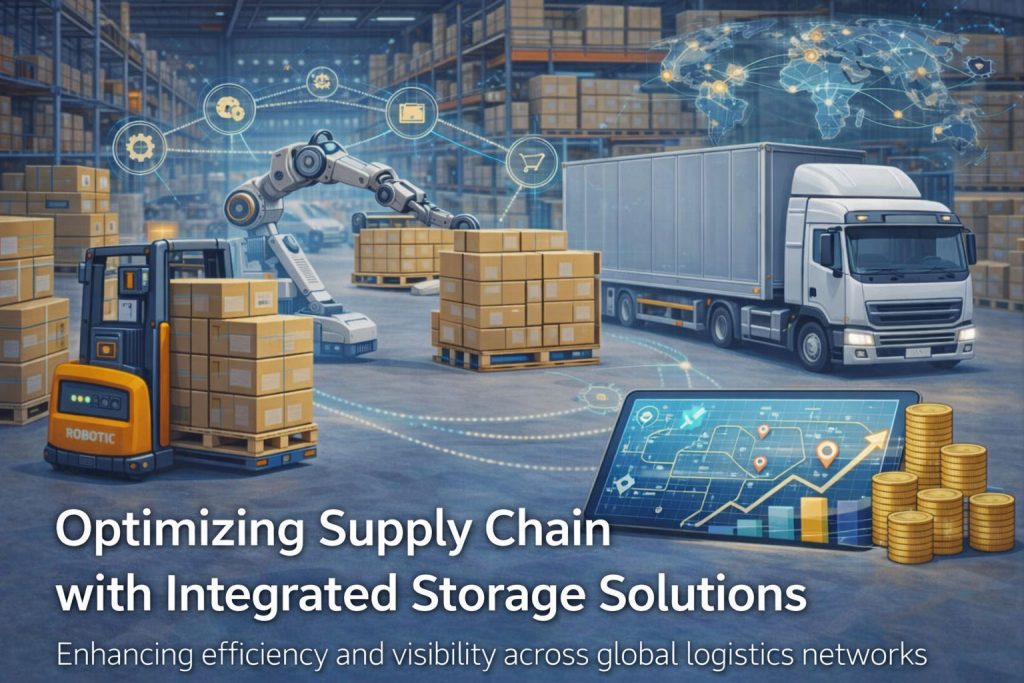
Integrated storage solutions streamline the entire supply chain by combining smart warehousing, temperature-controlled facilities, and efficient distribution systems. With real-time data tracking and centralized management, businesses can reduce delays, minimize losses, and improve overall operational performance.